


Primary Health Insurance:
BlueCross BlueShield
United Health Care
Humana
Cigna
North Mississippi Acclaim
Medicare
Medicaid


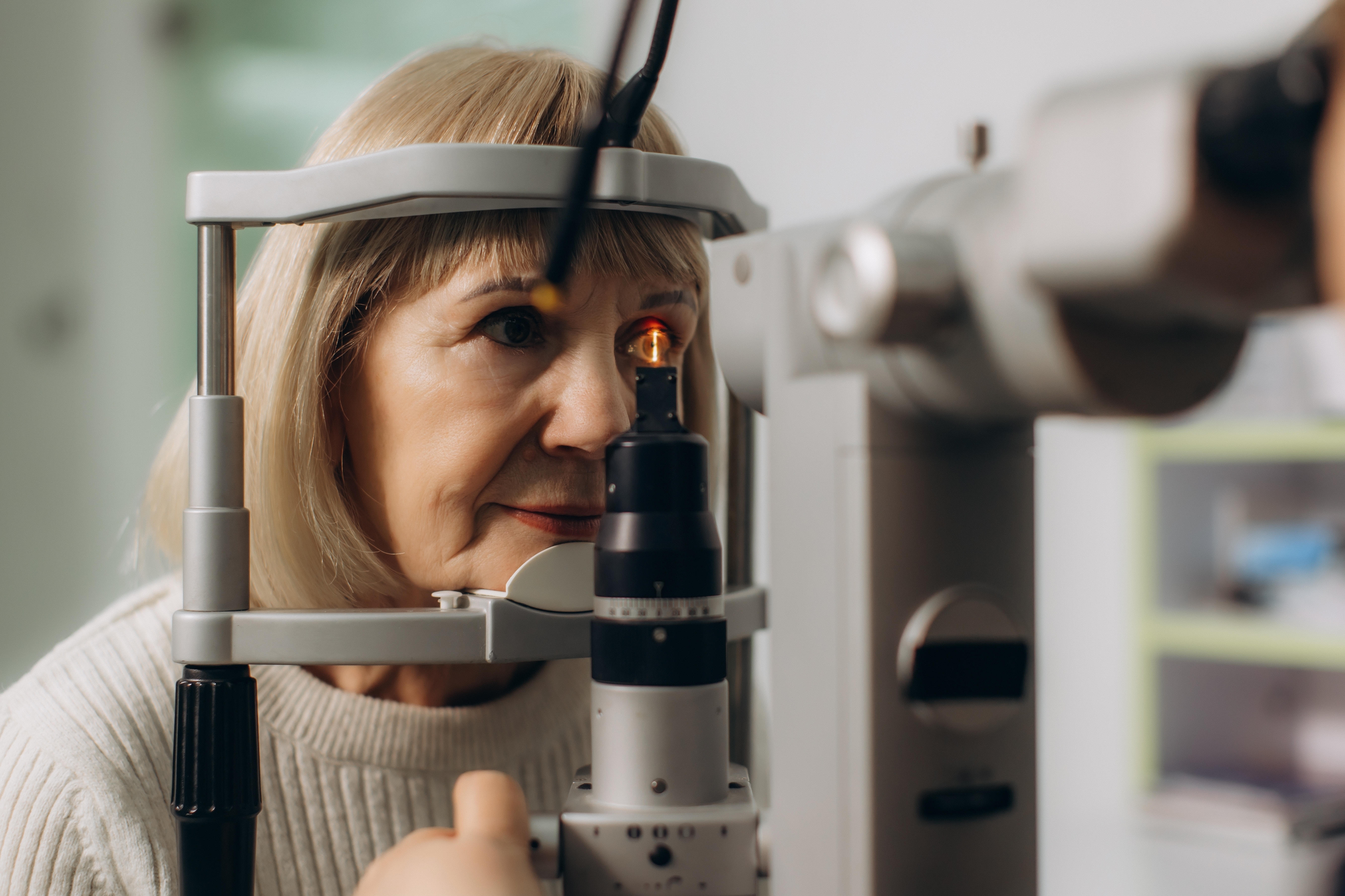
Diabetes can affect your eyes long before you notice changes in your vision. Even when you see clearly, elevated or fluctuating blood sugar can damage the small blood vessels in the retina, increasing the risk of diabetic eye disease. That is why diabetic eye exams are an important part of long-term health care for patients in Tupelo.
At Primary Eye Care, we provide medical eye care for patients in Tupelo and North Mississippi, including diabetic eye care, routine eye exams, glasses, and contact lenses. With advanced screenings and a careful evaluation of your eye health, our goal is to help detect changes early and protect your vision over time.
The retina is the light-sensitive tissue at the back of the eye. It relies on healthy blood vessels to function properly. Diabetes can weaken, swell, or damage those vessels, which may lead to diabetic retinopathy. In some cases, fluid can also affect the central part of the retina, causing diabetic macular edema.
The challenge is that early diabetic eye disease may not cause pain or obvious symptoms. A patient may feel that their vision is stable while changes are already developing inside the eye. Regular diabetic eye exams allow your optometrist to monitor the retina and catch concerns before they become more serious.
A diabetic eye exam is more than a basic vision check. While your prescription may be reviewed, the main focus is the health of the retina, optic nerve, blood vessels, and other structures affected by diabetes. Your eye doctor will also consider your medical history, blood sugar control, medications, and any symptoms you may have noticed.
For patients in Tupelo, this type of exam is especially important if you have recently been diagnosed with diabetes, have had diabetes for several years, or have experienced changes in your vision.
During a diabetic eye exam, your doctor may use advanced screenings to get a detailed look inside the eye. These tests help identify early signs of diabetic eye disease and determine whether more frequent monitoring is needed.
Your exam may include:
These steps help create a clearer picture of how diabetes may be affecting your eyes.
Many patients with diabetes should have a comprehensive diabetic eye exam at least once a year. Some patients may need more frequent visits if diabetic retinopathy is present, blood sugar has been difficult to control, or other eye conditions are being monitored.
Your eye doctor can recommend the right schedule based on your health, exam results, and risk factors. Staying consistent with annual diabetic eye exams in Tupelo can help your care team monitor changes and respond early when needed.
Although diabetic eye disease can be silent, certain symptoms should be checked promptly. Call your eye doctor if you notice blurry vision, dark spots, floaters, flashes of light, distorted vision, trouble seeing at night, or sudden vision loss.
You should also schedule an exam if your vision seems to fluctuate with blood sugar changes. Even temporary blur can be a sign that diabetes is affecting the way your eyes focus.
Diabetic eye care works best when it is consistent. Managing blood sugar, blood pressure, cholesterol, and regular medical visits can all support healthier eyes. Your optometrist can also communicate findings that may be useful for your overall diabetes care.
At Primary Eye Care in Tupelo, Dr. Joe Kea has experience in diabetic eye care and primary medical eye care. Our team takes time to explain your results clearly so you understand what was found and what steps may be needed next.
Schedule a diabetic eye exam with Primary Eye Care in Tupelo, MS by calling (662) 200-9842. Visit us at 3437 Tupelo Commons Suite 101, Tupelo, MS 38804.
08:30 AM - 4:30 PM
09:00 AM - 3:00 PM
CLOSED
