


Primary Health Insurance:
BlueCross BlueShield
United Health Care
Humana
Cigna
North Mississippi Acclaim
Medicare
Medicaid


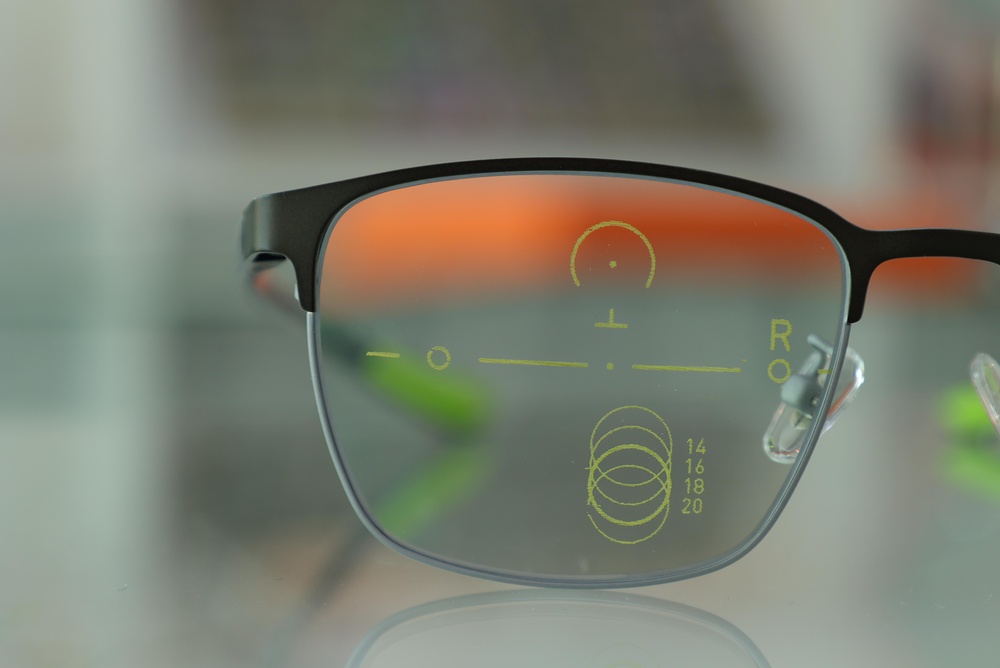
If you are finding it harder to read small print, check your phone, or switch your focus between near and far objects, you may be experiencing presbyopia. For many adults in Tupelo, this age-related change in near vision raises an important question - should you choose progressive lenses or bifocals?
At Primary Eye Care, we help patients choose eyewear based on their prescription, daily routine, work environment, and visual preferences. Both progressive lenses and bifocals can provide clear vision at more than one distance, but they work differently.
Bifocals divide the lens into two distinct viewing areas. The upper portion is typically used for distance vision, while the lower segment provides near correction for activities such as reading.
Because there is a visible line separating the two prescription areas, the transition between distance and near vision is clearly defined. Some patients appreciate this straightforward design, especially if most of their day involves switching primarily between faraway objects and close reading.
Bifocals may work well for someone who wants a simple, established lens design without needing significant intermediate vision correction.
Progressive lenses provide multiple vision zones without a visible dividing line. The prescription gradually changes from distance vision at the top of the lens to intermediate vision through the middle and near vision toward the bottom.
That intermediate range can be particularly useful during a modern workday. If you move between a computer screen, paperwork, coworkers across the room, and your phone, progressive lenses can reduce the need to constantly switch between separate pairs of glasses.
At our Tupelo office, we offer progressive lens options and can help determine whether the design matches your visual needs and lifestyle.
Your occupation and daily habits can influence which option feels most practical. Consider how often your work requires you to view objects at different distances.
You may want to think about:
How many hours you spend working on a computer
Whether you frequently read documents or small print
How often you look across a room or into the distance
Whether you move between indoor and outdoor environments
Whether you prefer a lens without a visible bifocal line
For someone who works primarily at a desk, the intermediate viewing range of progressive lenses may be especially valuable. Someone whose routine mainly involves distance vision with occasional close reading may prefer the simplicity of bifocals.
Progressive lenses can require an adjustment period because different parts of the lens are designed for different viewing distances. Learning to point your nose toward what you want to see and move your eyes through the appropriate area of the lens often becomes more natural with regular wear.
Proper measurements and frame selection also matter. A well-fitted frame helps position the progressive viewing zones correctly so you can use them comfortably throughout your day.
There is no single lens design that works best for everyone. Your prescription, occupation, hobbies, screen use, and personal preferences all play a role in choosing between progressive lenses and bifocals.
During your eye exam, we can evaluate your vision and discuss how you use your eyes throughout a typical day. From there, our team can help you select lenses that support both clear vision and everyday comfort.
If you are deciding between progressive lenses and bifocals, contact Primary Eye Care in Tupelo, Mississippi at 3437 Tupelo Commons, Suite 101, Tupelo, MS 38804 or call (662) 200-9842 to schedule your appointment.
08:30 AM - 4:30 PM
09:00 AM - 3:00 PM
CLOSED
