


Primary Health Insurance:
BlueCross BlueShield
United Health Care
Humana
Cigna
North Mississippi Acclaim
Medicare
Medicaid


The Demodex mite is a type of parasite that lives on humans and can reside in hair follicles and sebaceous glands. These mites are arachnids (eight-legged) and invisible to the naked eye, varying in size from 0.1mm to 0.4 mm long. They typically live on the face and in the hair follicles of the eyebrows, eyelids, roots of the eyelashes, facial hair, and around the ears, and are associated with various skin problems of the eyes and face, such as blepharitis and rosacea.
Demodex can affect humans at any age, but their presence increases in prevalence with increasing age. Immunity-compromised patients such as diabetics, patients on long-term corticosteroids or chemotherapy, or patients who have HIV/AIDS also have increased risk and prevalence of Demodex infection. Usually, when the immune system is weakened and the parasitic population has colonized, this disease can badly damage the skin.
For transmission of mites from one person to another, direct contact of hair and sebaceous glands on the nose, or dust containing eggs, is required. Since the disease process begins when there is an overpopulation of Demodex, the vast majority of cases of mites go unobserved and don't show any adverse symptoms. However, in certain cases, the mite populations migrate and multiply in the eyelashes.
There are two existing types of Demodex mites: the longer kind, Demodex folliculorum, which live in the hair follicles, and the short ones, Demodex brevis, which live in the sebaceous (oil) glands in the skin.
In the early stages, there are often no noticeable symptoms, but if left untreated, Demodex can progress. Symptoms vary among patients and may include dry eye, red eyes, severe itching along the eyelid margin and eyebrow, especially in the morning, eyelid irritation, burning sensation, foreign body sensation that seems to originate beneath the eyelids, heavy lid, and blurry vision. One of the earliest signs of mite infestation is cylindrical dandruff (CD), which is the accumulation of fine, waxy, dry debris that collects at the base of the lash and extends up to 2 mm along the length of the lashes and is most noticeable on the upper lashes.

Low vision is a term for conditions that result in reduced sight and cannot entirely be corrected with eyeglasses, contact lenses, medicines or surgery. Several eye diseases or conditions can cause low vision and here we will discuss the four most common causes of low vision and their risk factors.
Macular degeneration is a disorder that affects the retina, which is the light-sensitive tissue lining the inside of the eye. Within the retina, the area responsible for sharp central vision (called the macula) deteriorates, causing blurred vision. This can cause a blind spot in the central area of vision, which leads to low vision.
There are two types of macular degeneration – non-exudative (dry form) and exudative (wet form). The dry form usually progresses slowly, while the wet form causes more rapid and severe vision loss due to abnormal blood vessels developing under the macula and leaking fluid and blood. The biggest risk factor for macular degeneration is age. Other risk factors include genetics, race, smoking, and high blood pressure.
Diabetic retinopathy is a diabetes complication that affects the eyes. High blood sugar levels cause damage to blood vessels in the retina. These blood vessels can swell and leak (called macular edema). Sometimes they close, stopping blood from passing through (called macular ischemia). At first, diabetic retinopathy may cause no symptoms or only mild vision problems. However, over time, it can severely damage the retina, leading to low vision. Anyone who has diabetes can develop diabetic retinopathy. The risk increases for those who have had diabetes longer, as well as those with poor control of blood sugar levels, high blood pressure or cholesterol, and those who smoke.
A cataract is a clouding of the lens in the eye that affects vision. This clouding can block the light from reaching the retina at the back of the eye, resulting in a general loss of vision. In some cases, a cataract can be surgically removed. Cataract surgery has a high success rate in otherwise healthy eyes, but it is not always possible for people who also have other eye diseases. While the risk of cataract increases as you get older, other risk factors include diabetes, smoking, alcohol use, and prolonged exposure to ultraviolet sunlight.
Glaucoma is a disease that damages your eye’s optic nerve. Most commonly, this occurs when fluid builds up in the front part of your eye, which increases the pressure in your eye, damaging the optic nerve. There are four types of glaucoma: open-angle, normal tension, angle-closure, and secondary.

If you dislike wearing glasses and you are not a suitable candidate for laser eye surgery, then implantable contact lenses (ICL’s) may offer the permanent vision correction solution that you require.
Implantable contact lenses basically work in exactly the same way as standard, external contact lenses do. ICL’s alter the shape of the cornea in order to correct refractive errors such as nearsightedness, farsightedness, and astigmatism. However, unlike non-permanent contact lenses, ICL’s are surgically placed inside the eye rather than over the top of it.
Implantable contact lenses are also sometimes known as phakic intraocular lenses (IOL’s). The reason for this is because the two share a number of characteristics. IOL’s are seen in cataract surgery where they take the place of the affected natural lens after it has been removed. However, when used as implantable contact lenses, they work in conjunction with the natural lens of the eye in order to correct your vision.
The procedure requires your surgeon to make a tiny incision into the cornea to allow access to the natural lens underneath. The ICL is then inserted through the incision and placed either in front of or behind the iris, which is the colored part of your eye, and in front of the natural lens. The incision into the cornea is able to heal naturally without stitches, and the entire process is extremely quick.
Your surgeon will give you anesthetic, usually in the form of eye drops, ahead of the procedure, and therefore you should experience very little, if any, discomfort.

LASIK is the number one elective surgical procedure today, and more than a million Americans have had the procedure since its inception. The main reason for its popularity is the many benefits that it offers, including minimizing or, in some cases, even eliminating the need for the patient to use eyeglasses or contact lenses after the procedure.
Let’s take a look at why LASIK is taking the ocular world by storm.
Clearly, the biggest reason for choosing LASIK is improved vision. While some patients have relatively mild problems with their eyesight, others experience major disturbances in their vision that make functioning day to day almost impossible without the use of visual aids. LASIK can dramatically improve the quality of your vision, reducing the need to wear visual aids, or in some cases, completely eliminating them.
Eyesight is also notoriously inconsistent, with the majority of people finding that their vision marginally improves or deteriorates with each visit to their optician. When this happens, it is necessary for the optician to recommend a different prescription, and this means expense as the patient finds themselves purchasing new eyeglasses or contacts to reflect their new visual requirements.
Although there is no guarantee that you will be able to be completely prescription-free after LASIK, most patients find that eyesight is so improved that any changes to their prescription are much less frequent.
Eyeglasses and contacts are known for being fiddly and fragile, and the need for maintenance and replacements is a common complaint. However, with less need for such devices, the cost of caring for them is also reduced.
LASIK surgery can be performed in one very short procedure. You should expect to spend around 30 minutes in the surgery suite, but the actual time it takes can be as little as 10 minutes – for both eyes! The remainder of the time will be spent preparing you and ensuring you are comfortable afterward. The entire process is carried out after anesthetic drops have been placed into your eyes, so you can rest assured you will feel absolutely no pain throughout. However, if you are particularly anxious about the process, it may be possible to be given a sedative to help you relax.
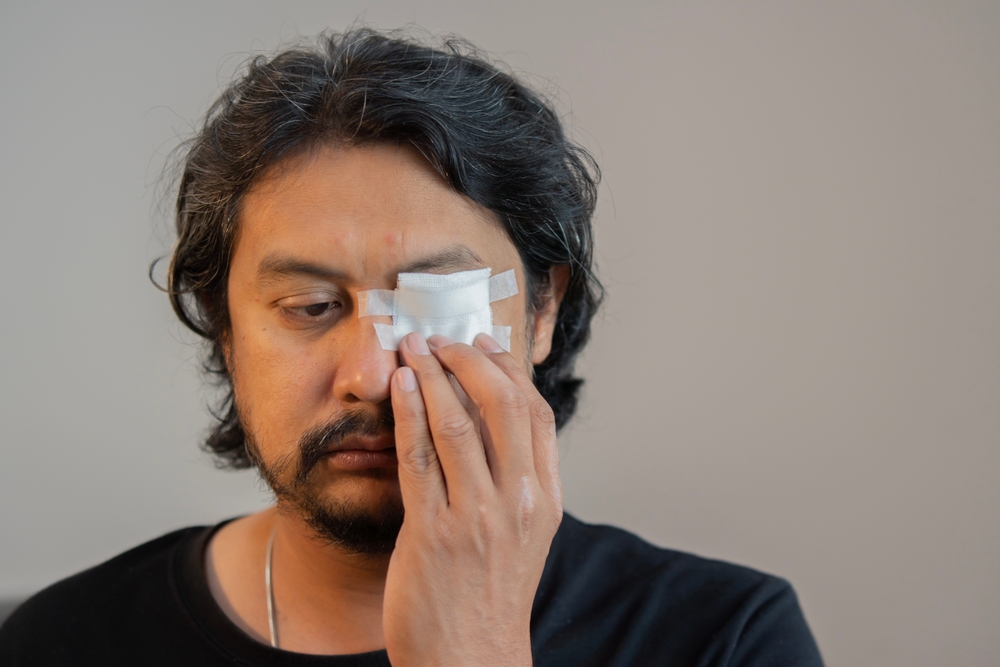
Eye emergencies cover a range of incidents and conditions such as trauma, cuts, scratches, foreign objects in the eye, burns, chemical exposure, photic retinopathy, and blunt injuries to the eye or eyelid. Since the eye is easily damaged, serious complications can occur from an eye injury; thus, any of these conditions without proper treatment can lead to a partial loss of vision or even permanent blindness. Likewise, certain eye infections, other medical conditions, such as blood clots or glaucoma, and eye problems such as a painful red eye or vision loss that are not due to injury also need urgent medical attention.
Bleeding or other discharge from or around the eye
Bruising
Decreased vision
Double vision
Loss of vision, total or partial, in one eye or both
Pupils of unequal size
Eye pain
New or severe headaches
Itchy eyes
Redness or bloodshot appearance
A sensation of something in the eye
Sensitivity to light
Stinging or burning in the eye
One eye is not moving like the other
One eye is sticking out or bulging
Nausea or headache occurring with eye pain (this may be a symptom of glaucoma or stroke).
A black eye is usually caused by direct trauma to the eye or face, causing a bruise resulting from bleeding under the skin. The skin around the eye turns black and blue, gradually becoming purple, green, and yellow over several days. Swelling of the eyelid and tissues around the eye may also occur. The abnormal color usually disappears within 2 weeks.
A blow to the eye can potentially damage the inside of the eye. Trauma is also a common cause of hyphema, which is blood inside the front of the eye and is often due to a direct hit to the eye from a ball. Besides, certain types of skull fractures can cause bruising around the eyes, even without direct injury to the eye.
A chemical injury to the eye can be caused by a work-related accident, common household products such as cleaning solutions, garden chemicals, solvents, or other types of chemicals. Fumes and aerosols can also cause chemical burns. With acid burns, the haze on the cornea often clears, and there is a good chance of recovery. However, alkaline substances such as lime, lye, drain cleaners, and sodium hydroxide found in refrigeration equipment may cause permanent damage to the cornea. It is important to flush out the eye with large amounts of clean water or salt water (saline).

If you’ve been diagnosed with cataracts, you may wonder if cataract surgery is right around the corner. Not to worry. There are many preventive steps you can take to slow the progression of cataracts and preserve your vision. That doesn’t mean you won’t eventually need surgery, but you can at least delay the need for quite a while.
The National Eye Institute recommends protecting your eyes from the sun's harmful ultraviolet (UV) and high-energy visible (HEV) rays by always wearing good-quality sunglasses while outdoors. Look for sunglasses that block 100 percent of UV rays and absorb most HEV rays with large lenses or a close-fitting wraparound style. Remember that the peak hours for sun exposure are between 10 am and 3 pm or 11 am and 4 pm during daylight savings time, and that the sun’s rays are strong enough to pass through clouds, so you need your sunglasses every day.
Steroid eye drops are routinely prescribed to treat dry eyes or an arthritic flare-up in the eyes. Unfortunately, they can also speed up the progression of cataracts. Talk to your Optometrist about how you can manage both conditions without inadvertently making your cataracts worse – and hastening the need for surgery.
There are over 300 commonly prescribed medications with side effects that may impact cataract progression. Since your primary care physician may not have access to your eye doctor’s medical records, be sure to ask your doctor if your current medications will affect your cataracts. If you must stay on the medication, it’s even more important to avoid sunlight during peak hours and to wear sunglasses.

People will often experience some type of eye disorder during the course of their lives. While the majority of these are minor and don’t require treatment, even minor problems can have significant adverse impacts on your vision, and you should seek the guidance of a licensed medical professional.
We’ve compiled some of the most common eye disorders, their causes, and treatments below. This guide is meant to be educational, and not all of the disorders listed below require medical attention, but if you are concerned, you should contact your medical provider immediately.
Eyestrain is a prevalent eye disorder. Most people have experienced this at one time or another. This optical issue can be caused by placing excessive strain on the eyes. It often occurs when reading, viewing a screen, or driving for too long. The eyes may begin to feel tired, or a mild burning sensation can occur. Simple rest is often enough to correct this issue. However, if you continue to feel discomfort for a few days, it's time to visit your doctor.
Eye redness can often be a minor issue that is caused by the inflammation or irritation of blood vessels near the eye’s surface. This can be caused by an irritant, lack of sleep, or allergies. If the redness in your eyes is linked to some type of traumatic injury, you should see a doctor. Typical treatments for this condition are eye drops to help lubricate the eye, resting your eyes, or taking medication to treat your allergies. Eye redness can also be a warning sign for conjunctivitis, pink eye, or sun damage. These conditions should receive medical treatment from a licensed professional.
Some people find that they have difficulty navigating in darker areas like movie theaters, dark rooms, or driving at night. Several possibilities could lead to night blindness. Some may have been born with this condition, or it could be the result of a degenerative retina. These issues cannot be resolved by a medical professional. However, night blindness can also be caused by nearsightedness, vitamin A deficiency, cataracts, or keratoconus. All of these issues can be corrected by a doctor.
Crossed eyes are not a condition that you can fix by yourself. This issue is seen when the eyes do not line up properly with each other. However, an optometrist may be able to help correct this issue, so it’s worth scheduling an appointment.

You might be surprised at how many tests eye doctors use to diagnose glaucoma. A proper diagnosis requires careful evaluation of many aspects of your eye’s health – from eye pressure to cornea thickness to the health of your optic nerve. This article describes how your eye doctor assesses your risk and all the tests needed to properly diagnose glaucoma.
Your eye doctor will begin by assessing your risk level for developing glaucoma. This will help determine the frequency and extent of testing needed. Through a family history and medical questionnaire, the eye doctor is looking for the following risk factors:
Over the age of 60
Ethnic background such as African or black Caribbean descent, Hispanic, or Asian
Family history of glaucoma, such as a sibling or parent with glaucoma
History of eye conditions, injuries, or surgeries
Prolonged corticosteroid use (eye drops, pills, inhalers or creams)
Chronic conditions that affect blood flow, such as migraines, diabetes, low blood
pressure or hypertension
Current or former smoker
If you’ve already had a comprehensive eye exam, your eye doctor will also consider these risk factors:
Eye pressure higher than normal (above 21 mm Hg)
Thin corneas (less than 0.5 millimeters)
Your type of eyesight is also important. People with farsightedness are at a higher risk for narrow-angle glaucoma, a more serious type that can advance quickly. Nearsightedness is associated with open-angle glaucoma, which progresses slowly without any symptoms.

If you have dry eye syndrome, you understand the frustration of repeatedly applying eye drops and other therapies in vain. The iLux®, a new product on the market, may help address your problem.
It treats dry eye syndrome by combining heat and pressure to clear obstructions from the meibomian glands. Learning how it works and its advantages in treating dry eyes may help you.
Millions of individuals worldwide suffer from the prevalent ailment known as dry eye syndrome. This happens when your eyes do not produce tears in sufficient amounts or when tears evaporate too soon. Discomfort, irritability, and even eyesight issues may result from this. Although several treatments for dry eyes exist, many are transient and call for repeated application.
iLux is a medical device designed to treat dry eye syndrome. It combines heat and pressure to remove blockages from the meibomian glands. These glands in the eyelids produce the oil that prevents your tears from evaporating too quickly.
The handheld device is easy to use, making it a convenient and effective solution for those who suffer from dry eyes. It is a practical choice for people with busy schedules because no downtime or recovery period is necessary.
The device works by applying gentle heat and pressure to the eyelids. This helps loosen and remove blockages from the meibomian glands. The treatment allows the glands to function properly, producing the necessary oils to keep the eyes moisturized and healthy. The device also provides targeted treatment to specific areas of the eyelids. This allows for a more customized and effective treatment experience.
Using this medical device to treat dry eyes offers numerous benefits, including:
Improved Comfort
Dry eyes can cause discomfort, irritation, and even pain. By treating dry eyes with iLux, you can experience improved comfort and reduced symptoms.
Enhanced Vision
Dry eye syndrome can affect vision, causing blurriness or difficulty focusing. Treating the condition with iLux can help improve vision and clarity.
Noninvasive
Unlike other treatments for dry eyes, such as surgery, iLux is a noninvasive solution that requires no downtime or recovery period.

Seasonal allergies are a medical condition similar to other forms of allergies that occur when the body's immune system reacts to an external material in the environment during seasonal periods when plants and trees are pollinating. Seasonal allergies have a tremendous effect on millions of individuals annually, causing a negative effect on eyesight. Seasonal eye allergies cause the eyes to become itchy, watery, and red, which in medical terms is referred to as allergic conjunctivitis. There are many allergens that can make our eyes go itchy and very red, including dust, pollen, and smoke. These allergens, however, vary from one person to another. For example, while dust can cause itchy eyes for me, it might not be the same for you, as it all depends on our immune system and the way it reacts to such substances.
When something is regarded as a dangerous substance by the eye, a chemical response is elicited to fight against the allergen, which is what leads to the itchiness, redness, and soreness in the eyes. These reactions are usually a result of a change in seasons, mostly occurring in the spring when plants and trees are pollinating and during the fall when ragweed plants are pollinating.
As we mentioned earlier, allergens affect people differently, but there are general ways in which everyone reacts. You would know an individual is suffering from allergies through the following symptoms.
Teary eyes - Since the eyes perceive substances like dust, smoke, pollens as harmful to the normal conditioning of the eyes, there is an automatic release of water in order to clean the eyes which is more of a defense mechanism against these foreign items.
Swollen eyes - After the entry of these foreign items, it is very natural to feel itchy and want to scratch the affected eyes. During the scratching, the skin covering the eyes would become swollen due to continuous friction.
Dry eyes - Dry eyes occur most often during winter seasons, not because of allergens like dust or pollen, but whenever there is extreme cold or snow. This causes the eyes to become dry, which leads to soreness and redness.
Itchy Eyes - Allergens are carried by air and could end up in your eyes at any time. A reaction to these allergens would cause your eyes to feel irritated from the inside and would create the urge to then scratch your eyes in an attempt to provide some relief.
Red Eyes - Redness of the eyes is usually accompanied by other symptoms such as itchy eyes, which cause the eyes to become swollen and very red. There are also capillaries inside the eyes that can become red whenever one is faced with an allergy.
08:30 AM - 4:30 PM
09:00 AM - 3:00 PM
CLOSED
